
Position Overview
Download the Position Description PDF
Dean, Fay Jones School of Architecture and Design
The University of Arkansas seeks a strategic, collaborative, and visionary leader for the position of Dean of the Fay Jones School of Architecture and Design (the School). Reporting to the Provost and Executive Vice Chancellor for Academic Affairs, the Dean will lead the state’s only school of design disciplines in an R1 University.
A statewide leader and resource for architecture and design education, research and creative activity, and collaboration within the University and beyond, the Fay Jones School is known for exceptional programs in Architecture, Landscape Architecture, and Interior Architecture and Design, providing a vital school-wide design culture and educational environment grounded in critical design thinking, multidisciplinary collaborations, and civic engagement. With a $17 million budget, steadily growing enrollment, and exceptional facilities designed by renowned architects, the School has built a reputation as a leading design school in the U.S. and globally.
The Dean will lead with a clear strategic vision and a culture of collaboration across the School, the campus, and the community. The Dean will work with faculty, staff, students, and the professional community to develop a vision for the future of the School; express a unified and visible identity; elevate the contributions to research and creative activity within the school and university; support and mentor a dedicated and exceptional faculty and staff; embrace the mission of student access and support; and manage and strengthen financial resources. They will demonstrate an appreciation of the disciplines, programs, and facilities that make up the School and an ability to work with colleagues in the College and across the University as an advocate and partner. The ideal candidate will have an energetic and collaborative leadership style that inspires and builds trust with faculty, students, and staff. Externally, they will maintain and strengthen relationships with alumni, donors, and industry. Candidates must have a record of scholarly achievement in research and/or practice commensurate with an appointment as a tenured full professor in the Fay Jones School of Architecture and Design.
The University of Arkansas has retained Isaacson, Miller, a national executive search firm, to assist in this recruitment. Please direct all applications, nominations, and inquiries in confidence to Isaacson, Miller.
Role for the Dean
The Dean reports to the University’s Provost and Executive Vice Chancellor for Academic Affairs, and leads a team of faculty and staff at the School, providing direct oversight and fostering a collaborative, inclusive environment that prioritizes student success. The Dean will join a strong cohort of fellow Deans and campus leaders who are committed to the University’s land-grant mission and strategic vision. Direct reports to the Dean are the Associate Dean, Advancement Director, Chief of Staff, and the Department Heads for Architecture, Landscape Architecture, and Interior Architecture and Design.
Providing vision, strategic direction, and overall management of the school, the Dean will guide strategy, ensure that structures and processes are in place to support the development and success of faculty and staff, lead fundraising efforts, and create a school culture that attracts and inspires students and continues to engage alumni. The Dean will cultivate signature areas of distinction, such as, but not limited to, health and well-being, advanced materials and timber innovation, digital and AI-driven design, sustainability, and community-engaged practice as part of the School’s national and international identity.
The ideal candidate will be successful at providing a unifying vision across all disciplines in the School, while also being an active voice in regional, national, and international design leadership. The Dean will have experience balancing internal leadership with external engagement. This includes fostering a culture of mentorship, support, and accountability while also elevating the school’s reputation and impact in connection with local economic and industry trends, and national and international design discourse.
Key Opportunities and Challenges
The School of Architecture and Design is a place where academic leadership means thinking critically and creatively about key questions both in and across the disciplines within the School, as well as within the University and broader region. The Dean will collaborate with faculty, staff, students, and alumni to build upon the strong foundation of success while identifying strategic priorities that leverage its strengths and distinction. In concert with the University’s strategic plan, the Dean will have the opportunity to continue articulating the unique value the School contributes and to expand its reach within local, national, and international practice and discourse. The Dean will encourage activities that strengthen connections across departments and disciplines, integrating theory, research, and practice while continuing its role within the University and the broader academic and cultural communities within which it is situated.
The Dean will be empowered to enhance the School's financial strength by working closely with university advancement, the School’s development staff, and faculty to develop compelling, effective opportunities to attract support from a wide range of sources. The Dean will sustain and build upon fundraising efforts stewarded by the University’s advancement team, identifying and cultivating new strategic funding opportunities and delivering a compelling message for support of academic programs, scholarships, fellowships, and facilities. The Dean will be expected to be entrepreneurial in seeking new sources of revenue, including through potential graduate program expansion, recognizing that resourceful and innovative financial stewardship contributes to the School’s ability to grow and thrive.
Under the Dean’s leadership, the School will demonstrate an ongoing commitment to the University’s strategic goals by cultivating a shared vision, purpose, and priorities across the School, while positioning the School as an active and valuable contributor to the University at large. The Dean will sustain and grow the School’s role as a trusted partner to all members of the University of Arkansas community, circulating widely to learn from leaders across the campus, including other colleges, units, deans, faculty, and staff. The Dean will be recognized as a valued colleague and trusted expert who leverages the unique design thinking skills of the Fay Jones School in service of the University at large.
The Dean is the School’s lead ambassador and champion, charged with articulating the value and impact of a University of Arkansas design education to potential students, faculty, funders, and other stakeholders. This individual will be an inspiring and visible figure to the University of Arkansas community as well as in national and international architecture and design circles. The Fay Jones School’s identity is rooted in its Arkansas history, while at the same time, the School has successfully built a reputation as a leader in connection with the timber industry and sustainable forestry statewide and a global leader in architecture and design. Given its reach, the School has significant potential to increase engagement with alumni, corporate partners, and community institutions. The incoming Dean will cultivate longstanding local and statewide relationships and develop an approach to future partnerships that connect the student experience to the statewide design community and resources.
The Dean will be an advocate for the importance of architecture and design at the University, providing strategic direction to ensure that the architecture and design disciplines are critical contributors to this goal. The Dean will also facilitate alliances and collaborations within the School and across the University so that the faculty and departments are increasingly recognized as strong partners in cross-departmental scholarship. As part of the School’s role within the University and its broader mission, the Dean will facilitate strategic interdisciplinary partnerships, such as with health sciences, engineering, computing, sustainability, and public policy. The Dean will continue to invest in and elevate the School’s role as a hub for design-led research at the intersection of the built environment, health, technology, and public impact, consistent with the expectations of an R1 flagship institution.
The Dean will work with faculty and staff to support student success and ensure that the School of Architecture and Design's programs are accessible to all students. This includes investing in student services and advising, developing relationships with employers to create internship opportunities and build career pipelines, and promoting best practices in teaching and learning. The Dean will champion the University’s 150 Forward strategic commitment to student success, actively recruiting, mentoring, and retaining students from Arkansas and offering unparalleled access to a holistic education designed to help students grow, contribute, and thrive throughout their lives and in their communities from matriculation to graduation.
The School’s exceptional faculty and staff are indispensable to its reputation and its success in delivering on its mission. In concert with the faculty and in close partnership with academic leadership, the Dean will support the ongoing development and delivery of curriculum and programs across all levels and encourage activities that strengthen connections across departments and disciplines, integrating theory with practice and studio-based learning with hands-on skills. Furthermore, the Dean will ensure the continued prominence of the School by prioritizing the recruitment and retention of distinguished faculty and staff at all levels.
The Dean also plays an important role in leading and supporting a dedicated team of staff who are essential to the School’s successful operation. The incoming Dean will bring interpersonal and management skills, maintain an accessible and visible presence at the School, and invest in professional development and mentorship for faculty and staff. The Dean will ensure that organizational structures facilitate collaboration, knowledge-sharing, and strategic thinking, so that the School most efficiently and effectively serves the needs of the students and the goals of the School.
Qualifications and Characteristics
While no one person may possess all the qualities enumerated below, the ideal candidate will have many of the following professional and personal characteristics:
- Terminal degree in a relevant architecture or design discipline. An outstanding record of academic and/or professional achievement, and scholarly and creative impact commensurate with an appointment as a full professor with tenure.
- Commitment to and passion for the School’s mission and the ability to share an inspiring message about the value of a design education.
- Sophisticated interpersonal skills and diplomacy combined with a commitment to broad consultation and transparency – demonstrated ability to facilitate and convene, while also leading with clarity and decisiveness.
- Capacity for effectiveness at all levels of the School and University, as well as with partners and external stakeholders; desire and ability to engage in the broader U of A and Fayetteville community and amplify the School’s reputation within the region and amongst its peers.
- Strategic orientation and administrative capacity with a connection to practice and teaching; a balance of intellectual credibility and capacity to translate vision into reality.
- Enthusiasm and imagination for solving challenges and seizing opportunities within the context of contemporary higher education and architecture and design.
- A nuanced understanding of financial management and administration to facilitate both short- and long-term strategic and financial decisions.
- Demonstrated fundraising capacity and ability to steward existing donors and partners and cultivate new ones.
- A strong sense of integrity and ethics.
Applications, Inquiries, and Nominations
The University of Arkansas Fay Jones School of Architecture and Design has engaged the firm Isaacson, Miller to manage this search process. Interested candidates must submit a letter of interest and a current resume or curriculum vitae to be considered for the position. All applicant information is subject to public disclosure under the Arkansas Freedom of Information Act.
Screening of complete applications will begin immediately and continue until the completion of the search process. Inquiries, nominations, referrals, and CVs with cover letters should be sent via the Isaacson, Miller website.
Ben Tobin, Partner
Nella Young, Senior Associate
Alaine Small, Managing Search Coordinator
Isaacson, Miller
The University of Arkansas is an equal opportunity institution. The University does not discriminate in its education programs or activities (including in admission and employment) on the basis of any category or status protected by law, including age, race, color, national origin, disability, religion, protected veteran status, military service, genetic information, sex, sexual orientation, or pregnancy. Questions or concerns about the application of Title IX, which prohibits discrimination on the basis of sex, may be sent to the University’s Title IX Coordinator and to the U.S. Department of Education Office for Civil Rights.
Additional Background Information
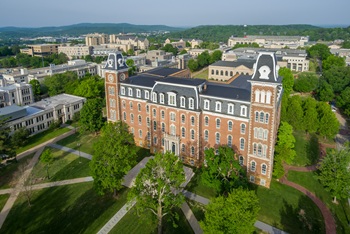
Founded in 1871 as a land-grant institution, the University of Arkansas (U of A) is the flagship of the University of Arkansas System. Guided by a student-first philosophy, the University is recognized as one of the nation’s leading public research universities, dedicated to maintaining a low student-to-faculty ratio to foster personalized attention and mentorship opportunities. The Carnegie Foundation has classified the University as an institution with "the highest possible level of research," placing it among the top three percent of colleges and universities nationwide.
With a student population of over 34,000, the U of A represents all 50 states and over 100 countries. The University comprises 10 colleges and schools, offering more than 273 academic programs. The U of A contributes more than $3 billion to Arkansas’ economy through the teaching of new knowledge and skills, entrepreneurship and job development, discovery through research, and creative activity, while also providing training for professional disciplines.
In 2023, the U of A announced its 150 Forward strategic plan to renew the University’s emphasis on its land-grant mission and vision for the next 150 years of the institution. Since the University's inception, the fundamental purpose as a land-grant institution and state flagship remains to serve the state of Arkansas as a partner, resource, and catalyst by:
- Providing access to a comprehensive and internationally competitive public education and fostering student success across a wide spectrum of disciplines.
- Utilizing research, discovery, and creative activity to improve the quality of life, develop solutions to the challenges we face, and drive the state's economy.
- Contributing service and expertise through outreach, engagement, and collaboration.
The U of A’s picturesque campus is located in Fayetteville, nestled in the hilly northwest corner of Arkansas. The campus features two arboreta with stunning views of the Ozark Mountains. Fayetteville is a hub of innovation, culture, and community spirit. From the historic downtown square and award-winning farmers market to miles of biking trails and year-round festivals, the city offers a welcoming atmosphere and strong sense of place. The surrounding northwest Arkansas region is regularly ranked one of the best places to live in the U.S., known for its quality of life, natural beauty, and dynamic economy.

The mission of the Fay Jones School of Architecture and Design is to advance design excellence through a multi-disciplinary education reinforcing place-responsive design in service to Arkansas, the nation, and the world. The School was started in 1946, when the first architecture classes were offered as part of the College of Engineering in response to the post-World War II building boom. In 1975, the Landscape Architecture program was established as part of the Fay Jones School. The Interior Architecture and Design program was founded in 1978 in the Department of Home Economics and joined the school in 2010.
Today, the School enjoys a national reputation for producing outstanding designers who are well prepared for professional practice, as well as for further graduate study, teaching, and other allied disciplines such as construction, computational design, public policy, history, and historic preservation. Between 2017 and 2024, the student population doubled from 502 to 1,006, the largest proportional increase in student enrollment on campus. Full-time faculty in the school increased 17% over the same time frame. The faculty comprises approximately 60 members, including professors in practice who are renowned leaders in design practice and research. The School's staff of approximately 20 full-time employees plays a critical role in supporting student services, advancement, operations, technology, and administration. The School—like the University and the state—has a strong foundational commitment to access and student success.
Within the curricular context of an excellent professional design education, the Fay Jones School of Architecture and Design provides an environment that is rooted in critical design thinking, multidisciplinary collaborations, and civic engagement. The school enjoys a national reputation for producing outstanding designers who are well prepared for professional practice. All three professional degree programs in the School are nationally accredited.
Architecture: The Architecture department offers a five-year NAAB-accredited Bachelor of Architecture (B.Arch) degree and a four-year Bachelor of Science in Architectural Studies (ARSTBS).
- The B.Arch Curriculum promotes design sensibilities that value a more humane and resilient future for all. The rigorous design-centered education, complemented by comprehensive technological, historical, and professional frameworks, emphasizes both personal creative development and collaborative work with others in interdisciplinary settings. This approach prepares students for lifelong learning and professional achievement predicated on curiosity, agile leadership, and relevance of effort in service of the profession and the public. B.Arch students may pursue minors in the History of Architecture and Design (HARD), Interior Architecture and Design, Planning, and Sustainability.
- The Bachelor of Science in Architectural Studies (ARSTBS) curriculum is a non-professional degree structured for students who are interested in the design disciplines but do not intend to pursue professional registration. The program incorporates coursework from the School of Architecture with liberal arts studies, providing a foundation for students with interests in related fields of journalism, planning, and non-profit leadership. The ARSTBS degree also provides a foundation for graduate study in architecture and allied disciplines such as architectural history, historic preservation, urban planning, or construction management.
Landscape Architecture: The department of Landscape Architecture offers a four-year LAAB-Accredited Bachelor of Landscape Architecture (BLA) degree, which focuses on design and site planning, and offers minors in planning, sustainability, and planting design. Midway through the second year in the BLA program, each student is required to submit a portfolio of their work for acceptance in the professional program. The program emphasizes a range of landscape architecture considerations, including urban design, wetland reclamation, and the design of public memorials, parks, and gardens, as well as history and landscape preservation. Graduates of the program enjoy a strong placement rate in prestigious firms across the United States.
Interior Architecture and Design: The Interior Architecture and Design program offers a four-year (CIDA-accredited) Bachelor of Interior Architecture and Design (B.I.A.D.) degree. Students learn to create environments that meet diverse human needs and develop strong design and technical skills through experimentation, discovery, and invention. Study abroad opportunities, transdisciplinary collaboration, and minors in sustainability, business, historic preservation, product design, and history enrich students’ creative expression, deepen knowledge bases, and build critical thinking skills. The program requires practice-based internships and builds connections between students and potential employers. Graduates leave the school prepared to succeed as design professionals in growing global markets.
M.Des in Design Studies: The school also offers a post-professional Master of Design Studies (M.Des.) degree, created to provide a nationally-recognized, interdisciplinary design program that meets the needs of Arkansas, the region, and the nation. This one-year program, spanning three semesters, explores emerging concerns universal to the human-environmental design disciplines. Five design concentrations are offered in Health and Wellness, Integrated Wood, Preservation, Resiliency, and Retail and Hospitality. Each concentration includes a studio-centered curriculum, as well as completion of a professional residency or a capstone project.
Garvan Woodland Gardens: Located on Lake Hamilton in Hot Springs, Arkansas, Garvan Woodland Gardens is an integral unit of the school. This botanical and woodland garden, which was a bequest to the department of landscape architecture in 1985, features a variety of garden settings and unique architectural structures designed and developed by world-renowned specialists in botanical gardens, landscape architecture, and architecture. The Garden’s mission is to preserve and enhance a unique part of the Ouachita environment; provide people with a place of learning, research, cultural enrichment, and serenity; develop and sustain gardens, landscapes, and structures of exceptional aesthetics, design, and construction; and partner with and serve the local community where it is situated. Students and faculty have opportunities to design and work in the "living laboratory" of Garvan Woodland Gardens, which is also one of Arkansas’s largest tourist attractions, with over 200,000 visitors annually.
University of Arkansas Community Design Center (UACDC): Originated in 1995 as an outreach center of the Fay Jones School of Architecture + Design, UACDC has its own downtown facilities and a full-time design and planning staff. Much like a teaching hospital, the UACDC team acts as practicing design professors while also providing professional services for communities and organizations nationwide. UACDC regularly collaborates with allied professionals across multiple disciplines. The Center also has nonprofit status, which facilitates its capacity to partner with its private-sector collaborators.
Anthony Timberlands Center for Design and Materials Innovation: The Anthony Timberlands Center is a 41,000-square-foot building by Pritzker Prize-winning designers Yvonne Farrell and Shelly McNamara that showcases Arkansas resources through its mass timber construction. This new applied research facility, centered on Arkansas timber and wood products, offers U of A students hands-on experience with innovative design and construction materials, and serves as a research and development laboratory for construction technologies and affordable housing for the state and region, including classrooms, studio, and research spaces, and a fabrication lab.
The Rome Center: The Fay Jones School has had a presence in Rome since 1986. The Rome Center campus was started through the school of architecture students’ desire to study abroad, and has since become the European hub of the Fayetteville campus, enabling undergraduate students to receive UA credit while spending the summer or semester in Italy. The Center is located in Palazzo Taverna, the former headquarters of the National Institute of Architecture (IN/ARCH). The Center offers fourth-year architecture students an opportunity to work under the direction of an Italian architect and faculty at local partner universities.
This description has been prepared based on the information provided by the University of Arkansas. The material presented in this leadership profile should be relied on for informational purposes only. While every effort has been made to ensure the accuracy of this information, the original source documents and information provided by the University would supersede any conflicting information in this document.